

Electrification in off-highway industries is often discussed in terms of emissions, regulations, or ownership costs, but these topics only scratch the surface of what actually matters day‑to‑day on a jobsite. The operators running these machines experience a different set of advantages — the kind that directly shape productivity, comfort, and accuracy throughout an entire shift. Electric powertrains change how a machine responds to input, how it communicates feedback, and how it behaves in demanding or repetitive tasks. Ultimately, these factors are real game-changers, influencing fatigue, situational awareness, and the overall quality of work.
This article highlights the five operator‑focused benefits that come up repeatedly from crews working with electric construction equipment, but which can easily be extended to the broader realm of off-highway electrified solutions. From smoother controls to quieter cabins in congested environments, each section breaks down not just what operators appreciate, but why these performance characteristics emerge from electric architectures. The goal is to give OEMs, fleet managers, and technology teams a clear window into the human‑level advantages that make electric machines more intuitive, more precise, and often more satisfying to operate.
Improved Precision and Control
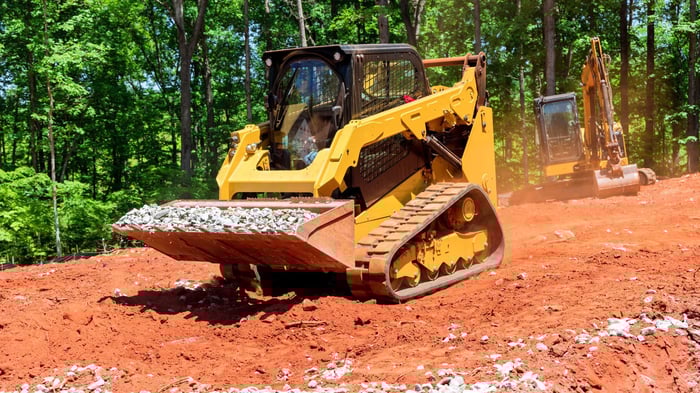
“The machine does exactly what you ask”. One of the most immediate differences operators notice with electric machines is the precision of the controls. Electric systems translate input directly into motor response, eliminating the mechanical delays and hydraulic fluctuations common in engine driven architectures. This direct connection means the machine reacts in a more linear and predictable way, especially during low speed maneuvers where small inaccuracies can compound into rework. For operators performing fine grading, material placement, or work in congested spaces, this precision becomes a practical advantage rather than a theoretical one.
When paired with modern inverters (like the ones we have in our catalog!) the system can modulate torque output with millisecond level accuracy. In contrast, combustion driven hydraulics must manage engine rpm, pump flow, valve characteristics, and fluid dynamics before the machine responds. Each one introduces small variances that operators instinctively compensate for throughout a shift. Electric drivetrains remove much of this variability, allowing the machine to behave consistently regardless of temperature, load, or engine speed.
This leads to a reduced cognitive workload for the operator: while on traditional machines achieving a smooth motion often requires a practiced touch learned over months of experience, electric machines flatten that learning curve by making the controls feel intuitive from day one. For fleet managers, that precision translates into less wear on components and fewer operator induced shocks to the system. For operators, it simply makes the machine feel more cooperative, more controllable, and less physically demanding to operate.
A Faster Learning Curve
A quieter, more predictable machine also accelerates the learning process for new operators. Traditional diesel equipment requires a level of instinctive compensation — anticipating turbo lag, adjusting for hydraulic response delays, or adapting to fluctuating engine speeds. These skills take time to develop and often require extensive hands on experience. Electric machines remove much of that complexity. Many users note that electric machines feel closer to driving a modern electric car than a traditional piece of heavy equipment. This reduces training time and narrows the skill gap between seasoned operators and those who are just starting out.
Reduced noise further aids training by making demonstrations and feedback easier. Trainers can stand near the machine, communicate in normal voice levels, and correct technique in real time. Instructors don’t have to rely on exaggerated gestures or interrupt the session to shut the engine down just to be heard. For companies dealing with high turnover or the need to onboard seasonal workers, this efficiency translates directly into lower training costs and improved operator readiness.
Low Noise
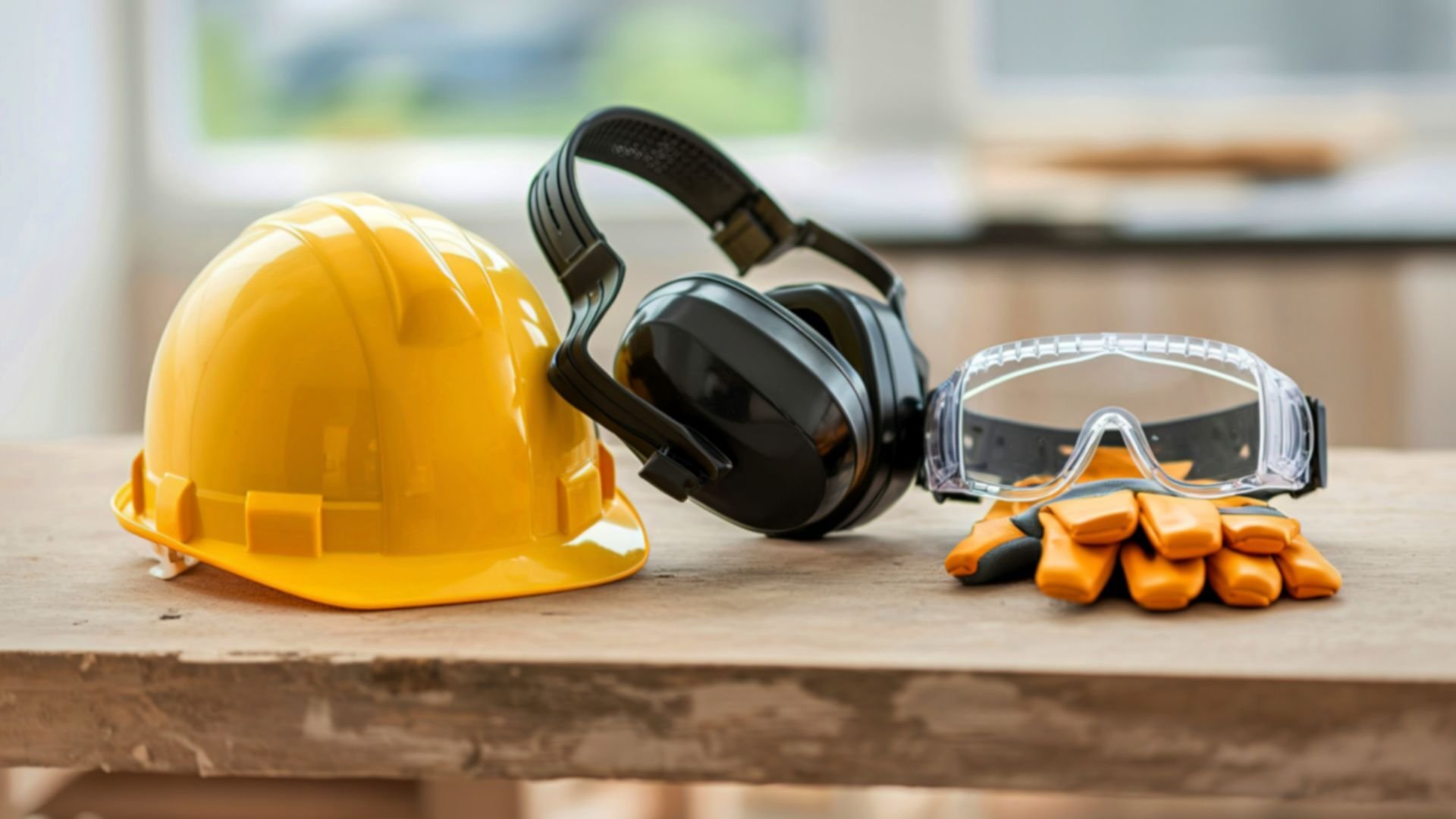
Noise is one of the most underestimated sources of operator fatigue on construction sites. Traditional diesel machines generate a constant mix of engine roar, hydraulic pump whine, and drivetrain vibration that operators learn to tolerate but rarely escape. Electric machines change this environment immediately. Without combustion pulses or mechanically driven pumps, the cabin becomes noticeably quieter, and this reduction in noise has practical effects that go well beyond comfort.
The primary difference comes from the absence of engine related acoustics. Combustion engines produce broadband noise across a wide frequency range, much of it transmitted through the frame and into the operator’s seat. Electric motors, by contrast, generate narrower acoustic signatures that are both lower in intensity and more stable under varying load. Because electric powertrains don’t rely on changing rpm to deliver torque, there are fewer abrupt shifts in sound level when the machine accelerates, lifts, or digs. This stability helps operators maintain situational focus without the constant sensory fluctuations created by diesel platforms.
Lower noise also reduces cognitive strain over long shifts. Continuous loud environments force the brain to filter and prioritize auditory information, which becomes increasingly difficult as fatigue sets in. In a quieter cabin, operators expend less mental effort compensating for ambient sound and can instead concentrate on the task at hand. On busy jobsites, for instance, verbal cues between operators and ground crews often determine the safety and efficiency of a task. Lower machine noise allows for normal volume conversations, clearer hand signal interpretation, and more effective teamwork in dynamic environments. Operators frequently cite this improvement as one of the most immediate advantages of transitioning to electric machines, especially in applications where close coordination is required, such as utility work or material handling in confined spaces.
The quieter operating environment also has implications for early morning or indoor work. In urban areas, reduced noise helps fleets comply with strict sound regulations, allowing work to begin earlier and proceed closer to residential areas without disturbing nearby communities. Indoors, such as in warehouses, tunnels, or industrial facilities, lower noise levels reduce the cumulative sound exposure for all workers, not just the person in the cab.
Better Comfort
As we discussed in the first paragraph, fatigue is one of the most persistent challenges operators face during long shifts. It emerges gradually from a combination of vibration, noise, heat, and the constant micro corrections required to manage traditional diesel machines. But one of the primary contributors to reduced fatigue is the elimination of engine induced vibration. Combustion engines generate cyclical forces that travel through the frame, the seat, and the controls. Even at idle, operators are exposed to a constant pattern of low frequency vibration that the body instinctively resists. Electric motors produce significantly less of this mechanical disturbance, resulting in a smoother machine that demands less muscular tension to maintain stability, especially while holding steady positions for extended periods or during fine control operations.
Thermal comfort plays a similar role. Diesel engines radiate heat into the cabin and surrounding components, especially during heavy loads or long-duty cycles. In confined or hot environments, this heat buildup accelerates physical fatigue and forces operators to rely heavily on HVAC systems to maintain comfort. Electric powertrains generate far less localized heat, and because they don’t rely on combustion, they avoid the temperature spikes associated with high-rpm operation. A cooler working environment allows operators to stay focused longer without the gradual drain that comes from managing excess cabin temperature. Together with noise reduction and improved control, these improvements create a type of fatigue reduction that is both physical and mental. Operators often describe the difference after a full day rather than after the first hour: they feel less drained, less tense, and more able to maintain precision even toward the end of a long shift.
Safety Improvements

Safety on active jobsites depends on two things: how well operators can perceive their surroundings, and how predictably the machine behaves when they react. Electric machines improve both factors by reducing noise, stabilizing machine response, and simplifying the mechanical systems that traditionally create risk. These changes don’t replace established safety protocols, but they give operators clearer sensory input and more immediate control in situations that demand quick, accurate decisions.
The most visible improvement comes from reduced operating noise. The predictability of machine behavior and the absence of engine idle further enhances safety, reducing the likelihood of unintended motion and increasing the confidence during fine control work. Heat and emissions also play subtle roles in jobsite safety: Diesel exhaust can accumulate in enclosed or semi enclosed spaces, reducing air quality and creating visual haze that complicates communication and depth perception. In tunnels, warehouses, or confined utility corridors, these differences meaningfully improve working conditions for all personnel, not just the operator.
Overall, electric machines enhance safety not through add on features but through fundamental changes in how they behave and interact with the environment. By improving awareness, reducing mechanical unpredictability, lowering noise and heat, and enabling more effective communication, they create safer conditions for operators and everyone working around them. These effects accumulate throughout a shift, supporting better judgment, fewer errors, and a more controlled jobsite.
Operator Insights from the Field
While the technical advantages of electric machines are clear, their value becomes even more tangible when you hear directly from the people who use them every day. At Inmotion, two of our team members — both conveniently named Jacob — have firsthand experience operating electric forklifts. And although they still debate which one is the “real” Jacob, they fully agree on the benefits of going electric. Jacob, who has worked extensively with both propane and electric forklifts, highlights how the driving experience changes immediately: “I’ve operated both propane and electric forklifts, and the electric model is a better experience in every category. The biggest difference is regenerative braking. As soon as you release the accelerator, the truck starts slowing down on its own. Once you get comfortable with it, you can practically navigate using a single pedal. With combustion forklifts, you’re constantly managing momentum and even relying on a third ‘creeper’ pedal for precise movements. Electric forklifts don’t need that — the fine control is built into the design.”
The other Jacob emphasizes the environmental and awareness improvements: “The other major difference is air quality. Combustion forklifts fill a closed space with exhaust, and after a few minutes it becomes miserable. Electric forklifts produce zero fumes and run almost silently. That makes the work environment cleaner and helps you stay more aware of what’s happening around you. It’s night and day — especially indoors.”
Together, their experiences reinforce a central theme of this article: electric machines, whether it’s construction equipment or material handling, can dramatically change the workday.
Author: Francesco Patroncini